


“This Is the One”
Larry Cress on Leadership, Legacy, and the Future of The Furniture Bank
“This is the one charity in Houston that I’m giving the most of my support to,” he said near the end of a wide-ranging conversation reflecting on leadership, crisis, growth, and what comes next.
“I just care so much about everybody that this work touches.”
That care has defined Cress’s tenure as Chairman of the Board, and long before that, his involvement with the organization itself. As he hands the reins to long-time board member Frank Monacelli, his reflections offer a clear through-line: resilience rooted in faith, community, and an unshakable belief that a furnished home is not a luxury, but a necessity.
Leadership Built for Crisis and Continuity
Cress oversaw the board during a period that would test nearly every nonprofit in the country. His leadership coincided with overlapping crises: Hurricane Harvey, the COVID-19 pandemic, and sustained economic instability, moments that dramatically increased demand while simultaneously threatening funding streams.
“People don’t always realize how fragile stability can be,” Cress explained. “One storm, one job loss, one health crisis, and suddenly a family may have a house, but nothing left to put inside it.”
Under his leadership, The Furniture Bank not only endured these pressures, it expanded. Following Hurricane Harvey, demand for emergency furniture assistance surged, and the organization responded at scale, serving thousands of families in a compressed timeframe.
During COVID, when in-person operations were limited and many nonprofits paused services, The Furniture Bank found ways to continue delivering essential support.
That adaptability became a defining trait. The organization consistently outperformed grant expectations, serving more families than projected while using funds efficiently and responsibly.
“That doesn’t happen by accident,” Cress noted. “That’s discipline, teamwork, and accountability.”
Filling the “Hole in the Donut”
Today, The Furniture Bank serves between 1,400 and 2,000 families each year, a dramatic increase from roughly 20 percent of that reach two decades ago. Those numbers reflect Houston’s explosive growth to nearly five million residents, as well as the compounding effects of disasters and rising housing insecurity.
But statistics alone don’t tell the full story.
“There’s a hole in the donut,” Cress explained. “We do a good job in this city helping people find housing or food. But once someone gets the keys to an apartment, what then?”
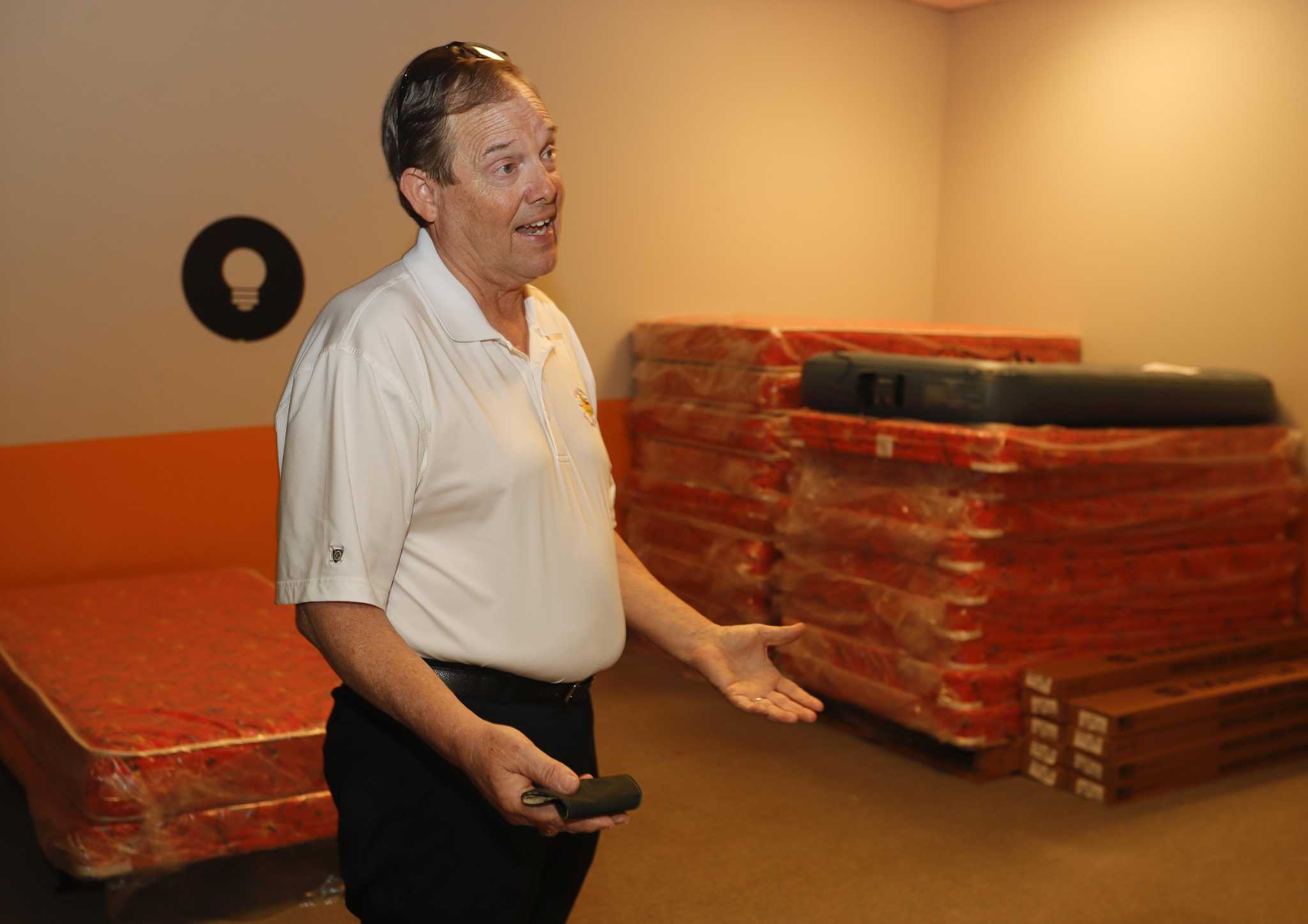
That’s where The Furniture Bank steps in, transforming empty houses into livable homes. Beds, couches, tables, dressers, tangible items that restore dignity and routine to families in crisis.
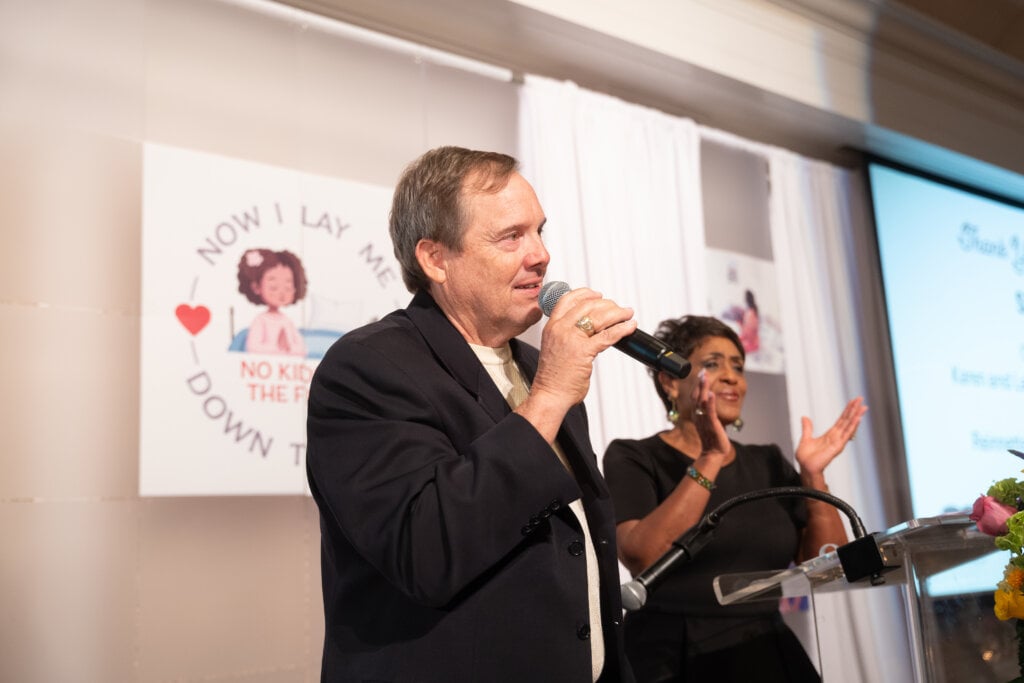
The organization’s “No Kids Sleeps on the Floor” program stands at the heart of that mission.
By providing beds for children, the program addresses more than comfort; it improves sleep, school performance, emotional regulation, and family wellbeing.
“When a kid has a bed, everything changes,” Cress said. “Sleep affects learning. It affects behavior. It affects health. That’s not abstract, that’s real life.”
“We’re making promises to donors,” Cress said. “And we’re keeping them.”
A Unique Position, and Responsibility
The Furniture Bank’s impact is amplified by a stark reality: it is currently the only furniture bank in Texas. With Dallas’s location closed and Austin’s attempts unsuccessful, Houston now carries a unique responsibility.
“That puts us in a different position,” Cress acknowledged. “It’s an opportunity, but it’s also a responsibility.”
Unlike charities focused on short-term relief, The Furniture Bank addresses long-term stability. It doesn’t conduct background checks or impose barriers that slow aid. Families fleeing abuse, homelessness, or sudden displacement receive help based on need, quickly and compassionately.
“We don’t judge,” Cress said. “We help. That’s the point.”
Looking Ahead: Innovation, Expansion, and New Leadership
As Cress steps away from the Chairman role, he does so with confidence in what, and who, comes next. Incoming leadership under Frank brings fresh ideas at a time when creativity is essential.
“Government funding is down,” Cress said plainly. “So we’re going to have to think differently.”
That includes exploring expanded fundraising models, increasing board engagement, leveraging social media, and strengthening programs like resale outlets and mattress recycling, initiatives that align revenue generation with mission impact.
Long-term, the vision remains bold: expanding to four locations across Houston, enabling the organization to serve 4,000 to 5,000 families annually.
“We’re closer than we’ve ever been,” he said.
Still In It, Still Believing
Though his title may change, Cress made one thing clear: he is not leaving the mission behind.
“I’m still in it,” he said. “I care too much not to be.”
What Larry Cress leaves behind is not just a record of service, but a culture rooted in faith, resilience, efficiency, and unwavering compassion. A reminder that stability begins at home, and that sometimes, the most powerful thing you can give a family is a place to rest.