


Partner Spotlight
For more than three decades, The Harris Center for Mental Health and IDD and The Furniture Bank have shared a belief that recovery requires more than four walls. It requires stability, dignity, community support, and a place that truly feels like home.
That shared belief is rooted in the very beginning of The Furniture Bank. Founded in 1992 by a housing specialist working at The Harris Center, the organization began as a response to a simple but often overlooked problem: people transitioning out of mental health facilities were securing housing but moving into empty rooms without beds, chairs, tables, or other household essentials.
Today, The Harris Center and The Furniture Bank continue working together to help individuals and families move from crisis toward greater stability and independence.
We recently spoke with Dr. Dionne Hill, a Practice Manager at The Harris Center, about the organization’s comprehensive services, the importance of community partnerships, and why a furnished home can play such a significant role in a person’s recovery.
Twenty-Two Years of Serving the Houston Community
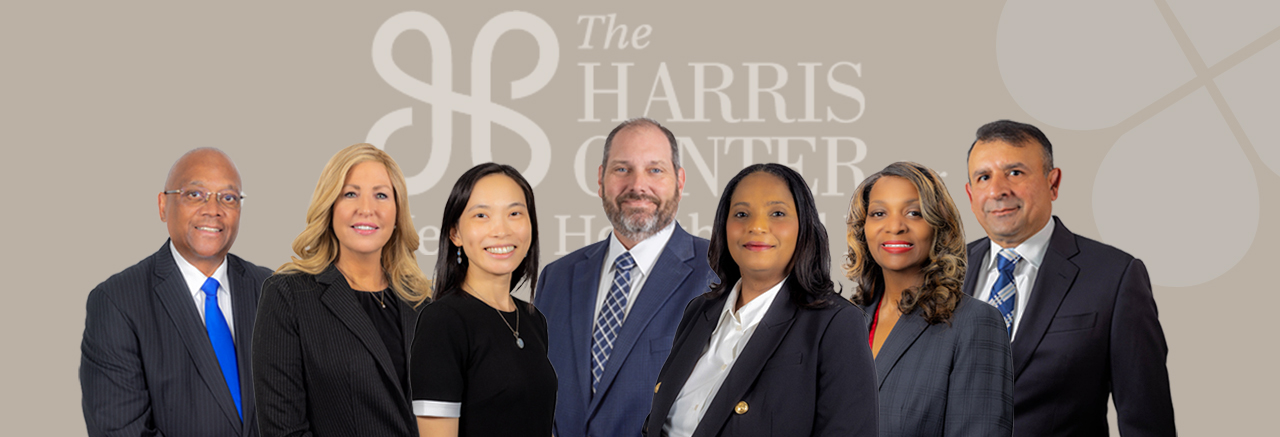
Dr. Hill has spent 22 years with The Harris Center, giving her a firsthand view of the organization’s growth and its evolving response to the needs of Greater Houston.
As a Practice Manager, she oversees the daily operations of a community mental health clinic and helps ensure that thousands of clients receive appropriate care. Each clinic brings together multidisciplinary teams that may include therapists, caseworkers, psychiatrists, nurses, business-office staff, licensed chemical-dependency counselors, and primary-care providers.
At the Southwest Community Service Center, where Dr. Hill works, more than 2,500 people are registered to receive services.
“My role is to ensure that the number of clients who are registered here are getting those proper services.”
— Dr. Dionne Hill
Those services extend far beyond what many members of the public might associate with a mental health clinic. The Harris Center provides access to psychiatric care, counseling, case management, substance-use treatment, crisis support, IDD services, and certain primary healthcare services.
Dr. Hill describes this integrated model in simple terms: “I like to call us one-stop shopping.”
Having primary and behavioral healthcare available within the same setting can reduce barriers and help providers understand the many factors influencing a client’s well-being. When a service is not available through a particular clinic, staff can also help connect the client with another community resource.
Community Leadership
Helping People Find the Right Care
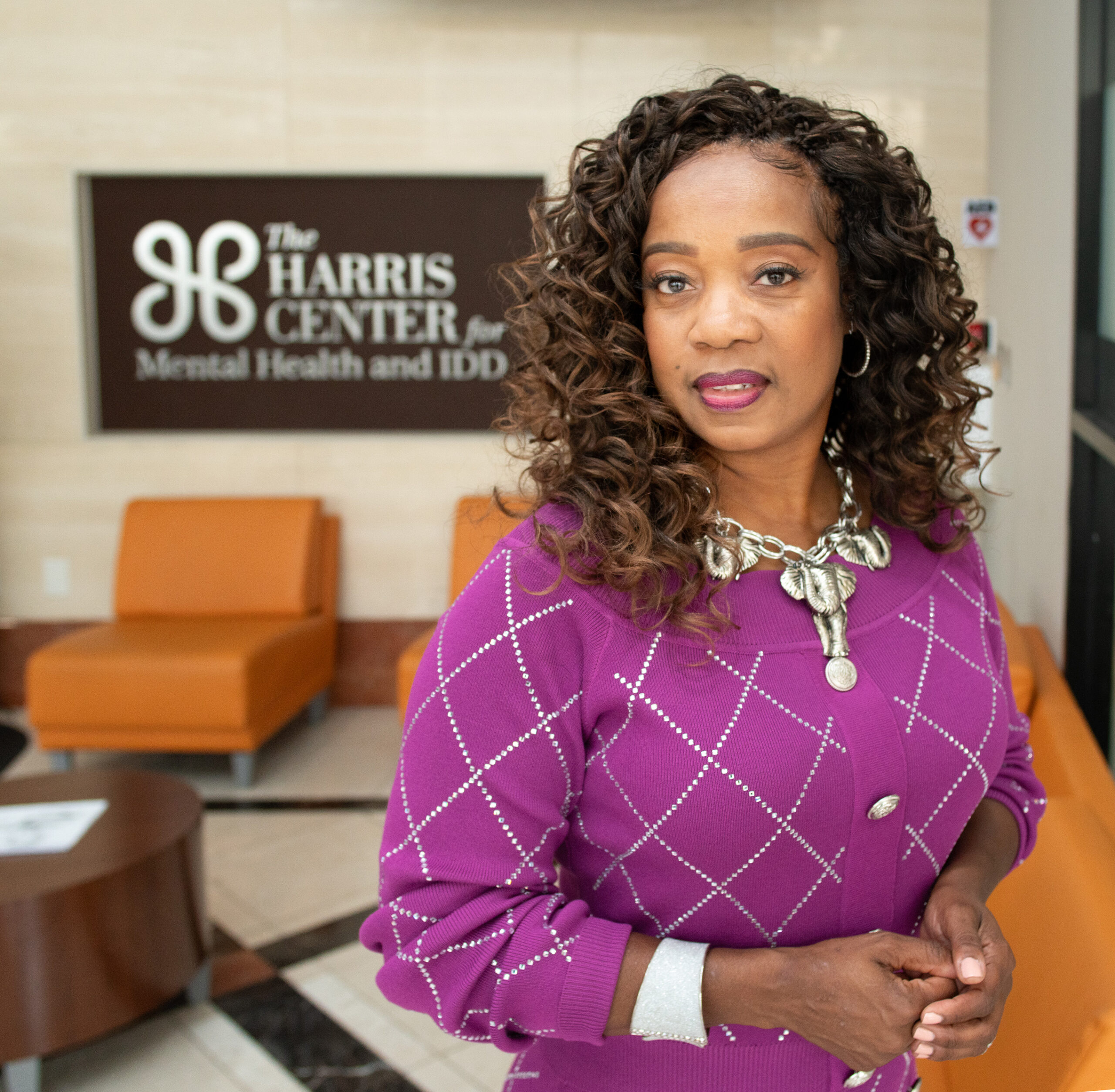
Dr. Dionne Hill helps oversee a community mental health clinic where multidisciplinary teams work together to address behavioral health, physical health, housing, substance-use, and other needs affecting each client’s well-being.
Her work reflects The Harris Center’s commitment to listening, responding, and making care easier to access throughout Greater Houston.
Making Mental Healthcare Easier to Access
People seeking services for the first time, or returning after a break in care, can meet with The Harris Center’s Access Team. Licensed providers speak with each person about their history, current concerns, medications, hospitalizations, housing situation, substance use, and other circumstances to determine which services may be appropriate.
“Anyone can come through the door at 7:30 in the morning, and we’ll give them some feedback.”
— Dr. Dionne Hill
Access and community awareness have become particularly important in the years following the COVID-19 pandemic. Dr. Hill observed that the pandemic increased anxiety, depression, isolation, and other behavioral-health challenges. At the same time, it encouraged some people who might not previously have considered treatment to ask for help.
The Harris Center’s current priorities include increasing program access and community engagement. That means bringing information directly into neighborhoods, participating in community events, discussing mental health more openly, and developing partnerships that can address needs beyond clinical treatment.
“We’re continuing to grow. We’re continuing to address the needs of the community. We’re only going to focus on collaborating more with other community resources.”
— Dr. Dionne Hill
Connecting Housing, Furniture, and Recovery
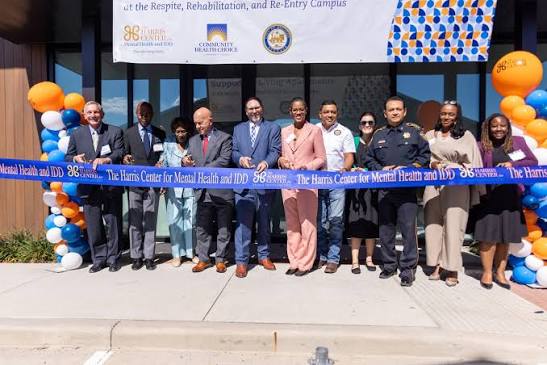
The partnership between The Harris Center and The Furniture Bank demonstrates why collaboration between community organizations matters.
When a Harris Center caseworker learns that a client has secured housing but lacks essential furniture, the caseworker can help assess the household’s needs and begin the referral process. The caseworker may visit the home, speak directly with the client, and complete a verification-of-needs assessment identifying necessities such as a bed, seating, a dining table, or other household items.
The client and caseworker then work together to prepare for an appointment at The Furniture Bank’s distribution center.
Identify the Need
A caseworker learns that a client has housing but lacks essential furniture.
Assess the Household
The client and caseworker determine which household items are most urgently needed.
Complete the Referral
Documentation is prepared and an appointment is coordinated with The Furniture Bank.
Select the Furniture
Clients visit the distribution center and participate in choosing furniture for their new home.
Dr. Hill emphasized that the process is collaborative. Caseworkers help clients understand what is available, prioritize their most important needs, complete the required paperwork, confirm appointments, and determine whether assistance with delivery costs may be necessary.
“The client was just so excited about the fact that they get to go shopping. The way the warehouse is set up, where you have the chairs here, the furniture here, and the beds over there, it’s a nice flow.”
— Dr. Dionne Hill
She also recognized the people working behind the scenes at both organizations to schedule appointments, communicate with caseworkers, process documentation, and keep services moving efficiently.
“We’re definitely meeting a need,” she said. “To be able to assist with housing but then connect the dots to furniture, it all stems from collaboration.”
You’ve got to have a place to heal.
Dr. Dionne Hill, The Harris CenterWhy a Furnished Home Matters
For someone emerging from homelessness, hospitalization, domestic violence, substance-use challenges, or another destabilizing experience, receiving housing does not necessarily mean that person has everything required to begin again.
An apartment without a bed may still mean sleeping on the floor. A home without seating may offer no comfortable place to rest, gather as a family, or welcome a support worker. A lack of basic household furniture can compound stress and make recovery more difficult.
Dr. Hill believes furniture should be understood as a basic need because of the role it plays in restoring independence, security, and well-being.
“You’re talking about a level of independence that comes back to that person. You’re talking about a life of being stress-free that comes back to that person.”
— Dr. Dionne Hill
“If you just have an empty shell and there’s nothing there, no chairs or a bed, it may make it a little bit more difficult to heal in the recovery process,” she continued. “Whether mental health recovery or substance-abuse recovery, it could make it more difficult by not having those basic needs. Furniture could easily be considered a basic need.”
A Partnership That Continues to Grow
Although processes, staff members, and community needs have changed over the years, the partnership between The Harris Center and The Furniture Bank has remained strong.
“We’ve been in partnership for years and years. We only hope that we can continue our partnership and grow, and grow and grow.”
— Dr. Dionne Hill
That continued growth will require listening to frontline caseworkers, improving coordination, expanding community awareness, and creating more opportunities for Houstonians to support both organizations.
For Dr. Hill, the future of The Harris Center is rooted in its willingness to listen and respond.
“We’re going to continue thriving in the community and listening for what’s needed,” she said. “From there, we can determine where we need to pivot, who we need to reach out to, and who we need to work with.”
Celebrating a Shared Legacy
The Harris Center to Be Honored at the 2026 Gala
This September, The Furniture Bank will proudly recognize The Harris Center as a special honored guest at its Third Annual Fundraising Gala.
The recognition celebrates not only a longstanding organizational partnership, but also the caseworkers, clinicians, administrative teams, community partners, and frontline professionals who help individuals move from crisis into stable homes.
“We appreciate the acknowledgment. We’ve been in partnership for years and years. To get this recognition says a lot. Thank you so much for that.”
— Dr. Dionne Hill
Help Furnish Hope
Help Turn an Empty House Into a Place to Heal
Together, we can help more of our neighbors find not only a place to live, but also the comfort, dignity, and stability they need to rebuild their lives.