


Partner Spotlight
For families connected to the child welfare system, stability often begins with the basics: a bed, a table, a safe place to land, and a community willing to walk alongside them. That is where The Riverside Project comes in.
The Houston-based nonprofit works to support children and families impacted by foster care by connecting churches, nonprofits, businesses, and community partners into a stronger network of care. Through its Response Network, The Riverside Project helps biological families, kinship caregivers, former foster youth, and vulnerable families access resources that can help prevent crisis, restore dignity, and keep children connected to safe, supportive homes.
“It is such a big system that it is not possible for one organization, one agency, one government, one person, or one church to fix all of that.”
Erin Kelly, Community Resource Coordinator for The Riverside Project
For The Riverside Project, the work begins by asking what families truly need. Often, those needs are not abstract. They are immediate and practical: furniture, transportation, childcare, employment support, mental health services, autism resources, diapers, wipes, food, and safe sleeping spaces.
That is why partnerships with organizations like The Furniture Bank are so critical.
“We couldn’t do what we do without The Furniture Bank.”
Emily Blacklock, Family Resource Coordinator
Through The Riverside Project’s Response Network, families are connected to organizations that can help meet their most pressing needs. Furniture remains one of the most common requests. Through The Furniture Bank, families can access beds, mattresses, dining tables, sofas, and other essential household items that help transform an empty apartment into a home.
For families rebuilding after hardship, that impact can be immediate. Blacklock recalled speaking with parents who are often amazed by how quickly help can arrive.
“People are saying, ‘I can have a bed in my house by the end of the month?’ That is so empowering to families.”
Emily Blacklock
Meeting Practical Needs With Dignity
The conversation also challenged a common misconception about foster care. While many assume children enter care solely because of abuse or neglect, the reality is often more complicated. Families frequently find themselves overwhelmed by a lack of resources, support systems, and access to basic necessities.
“A lot of times children end up in care not because of intentional abuse or neglect, but because of a lack of resources.”
Erin Kelly
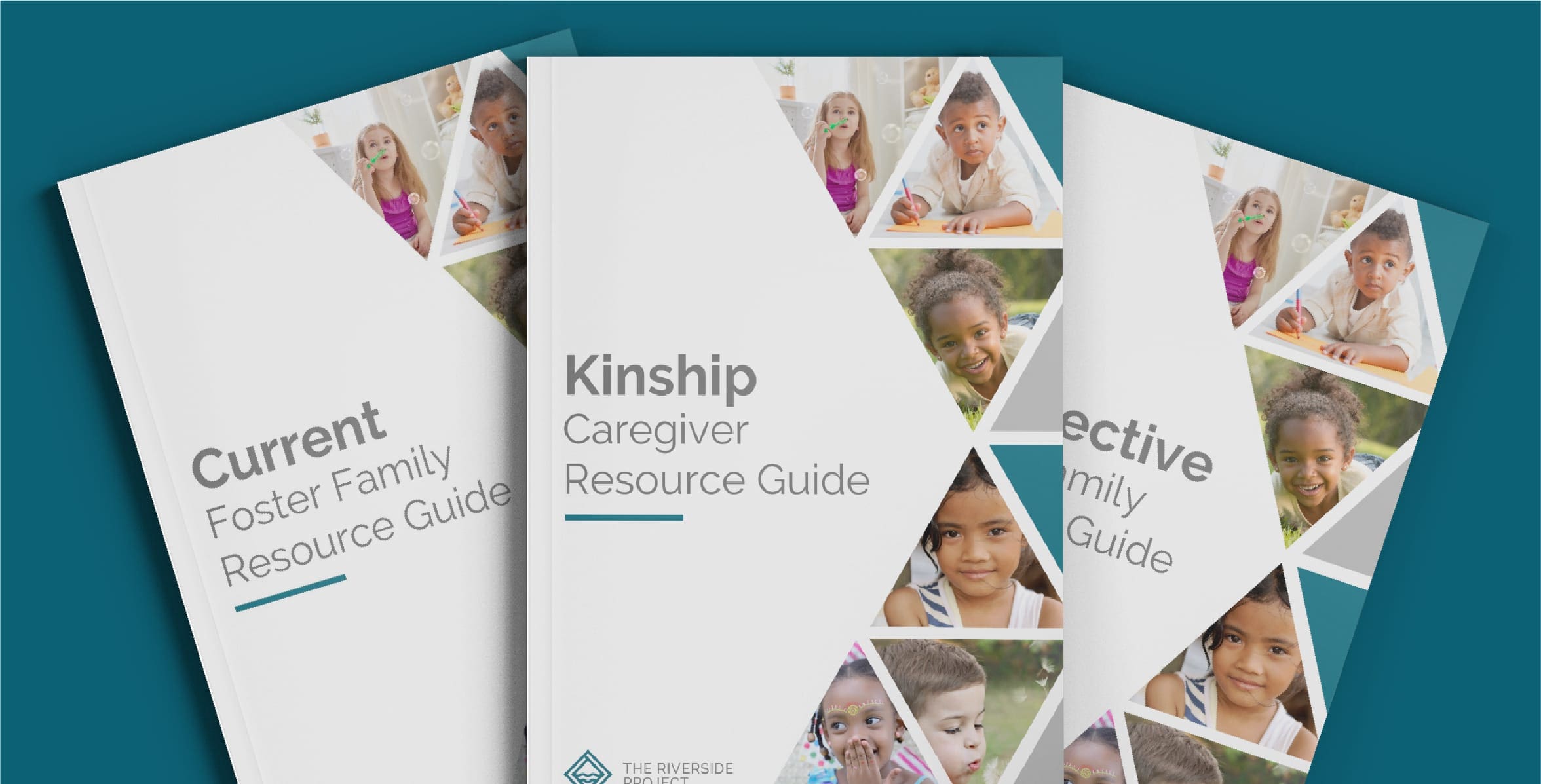
That reality is especially true for kinship families, where grandparents, relatives, older siblings, coaches, or trusted adults step in to care for children they already know and love. While these placements often provide stability and familiarity for children, they can also create significant financial strain for caregivers, many of whom are living on fixed incomes.
In those moments, something as simple as a dining table or a bed can become the difference between surviving and beginning to rebuild.
“It helps people realize their worth. That they are deserving, that they are seen, they are valued, and they are worth it.”
Erin Kelly
Building a Network of Support
The Riverside Project’s approach is rooted in collaboration. Rather than standing in the spotlight, the organization focuses on identifying needs, connecting partners, mobilizing churches, and helping families find the right resources at the right time.
“We’re happy being behind the scenes and connecting the different people.”
Erin Kelly
The goal is not simply to meet one need and move on. It is to build a network of support strong enough to help families heal and thrive.
Blacklock shared the story of a mother who had been sleeping on a popped air mattress while waiting for her Furniture Bank appointment. Knowing a real bed was on the way gave her something to hold onto during a difficult season.
“She kept telling herself, ‘It’s coming soon. I have a bed coming soon.’”
Emily Blacklock
That hope matters.
More Than Furniture
A furnished home provides more than comfort. It creates rest, routine, dignity, and belonging. A bed helps a child sleep. A sofa gives a parent somewhere to exhale after a long day. A dining table becomes a place for meals, homework, conversation, and connection.
“Furniture does so much more than just provide a seat. It represents community.”
Emily Blacklock
The Riverside Project believes everyone has something to offer. Some people can volunteer. Some can donate. Others can cook a meal, change a tire, provide childcare, offer professional services, or simply help connect a neighbor to support.
Kelly believes meaningful change happens when communities stop waiting for someone else to solve the problem and instead contribute what they can.
“If everybody is doing a little bit of something, y’all are doing the furniture, we’re finding housing, we’re finding counseling, we can heal Houston!”
Erin Kelly
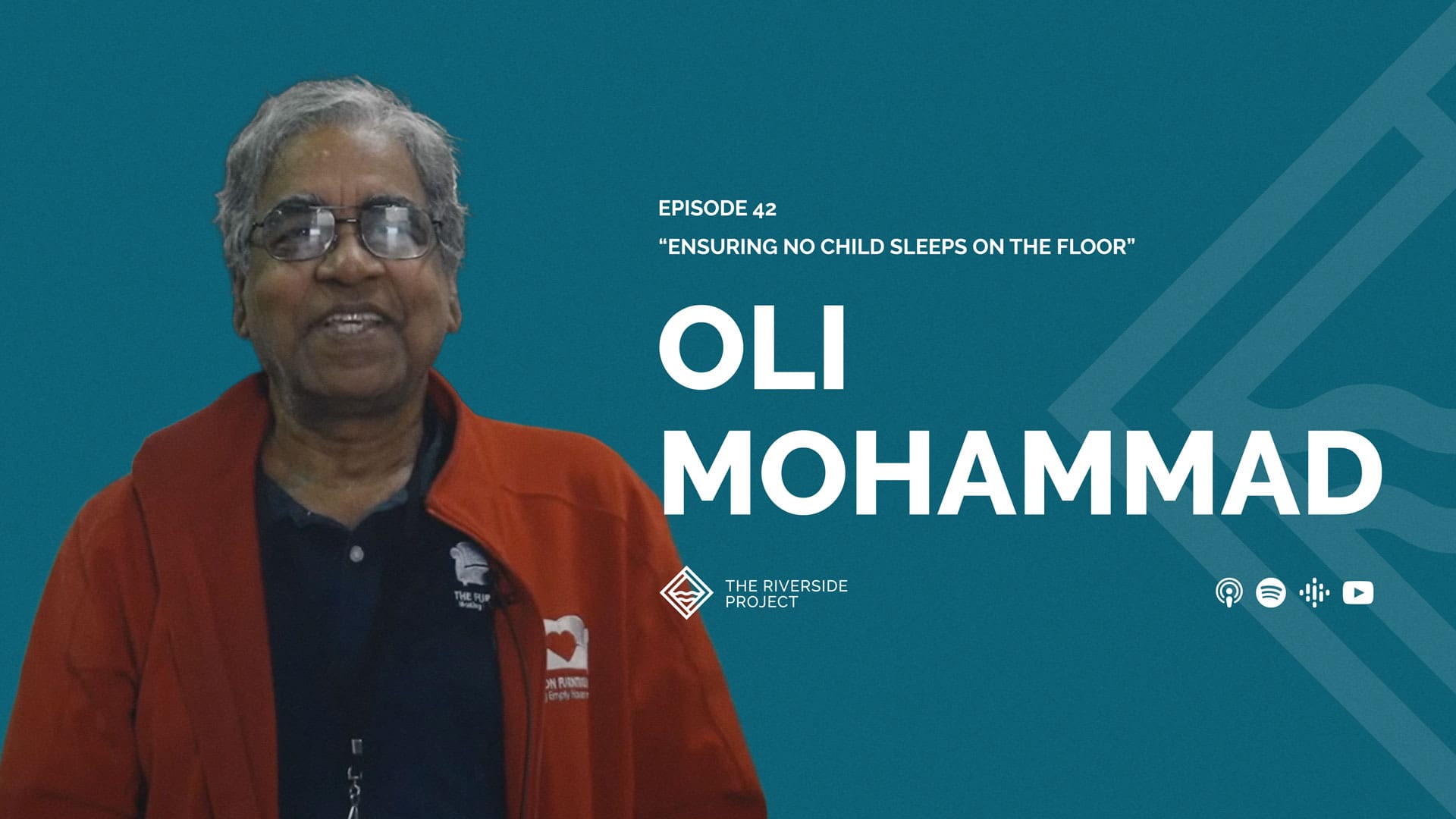
Podcast Episode
Listen to the Full Conversation
To learn more about The Riverside Project and its partnership with The Furniture Bank, listen to their podcast episode featuring Oli Mohammed, Founder and Executive Director of The Furniture Bank: “Ensuring No Child Sleeps on the Floor.”
The episode explores the mission behind The Furniture Bank, the dignity of a furnished home, and the shared work of ensuring every child in Houston has a safe place to sleep.
Together, organizations like The Riverside Project and The Furniture Bank show what is possible when a city chooses to respond as a community.
Because healing Houston will not happen through one organization alone.
It will happen when each of us brings what we have.